For many buyers the process of closing can be difficult even though purchasing a home is a major life goal. This knowledge assists in ensuring there is a seamless shift by explaining what is expected at the final step of the home buying process. The National Association of Realtors reported that homes landed on the market for 24 days as of August 2024. The closing process marks the essential transfer of ownership from seller to buyer at which point the legal ownership of the property changes hands. The process includes reviewing and finalizing necessary paperwork and completing closing costs as well as fulfilling every required legal condition. Keep reading to find out the buyer’s expectation at house closing!
What is Closing?
Closing, or settlement, takes place when ownership of property transfers from the seller to the buyer officially.The associated people complete the process by paying the fees, and receiving and signing the required papers.
For the transaction to be completed, the buyers are required to pay the closing associated expenses, appraisal fees, and uncovered down payments. The buyer then signs the required documents and closing disclosure.
After the documents are signed and processed, the title company files the new deed and records it which indicates the end of the deal, and the buyer is now the official owner.
How Should I Prepare for Closing?
Staying proactive and preparing for closing is essential. Here are the steps so you need to follow:
Stay in Communication and Organize Paperwork
To close smoothly, it is recommended that the buyers keep in contact with their real estate agent, lender, and attorney. Communication, as always, minimizes the problems that could arise as the closing date approaches. With regards to paperwork, everything important and relevant must be sorted out. Necessary documents like the purchase agreement, inspection reports, and loan documents and they must be available. These documents can easily be stored and located by creating either a digital folder or a physical file.
Complete Required Inspections and Approvals
Closing on your new home comes with its own unique challenges and one of them is the required inspections and approvals which need to be completed on time. These can range from a home inspection, pest inspection, appraisal to even meeting the lenders add. Finding out any critical problems beforehand allows you to offer the seller a deal that includes the repairs or credits necessary. It is important to ensure that all inspection reports and the needed approvals have been completed and agreed to before you go forward.
Review Legal and Insurance Requirements
Buyers need to pay close attention to all documents that pertain to the closing process. Double-check the purchase agreement, disclosure statements, and other legal documents for precision. Additionally, this is the period where one must obtain homeowners insurance, which is usually mandated by lenders prior to approving the mortgage. Compare policies from several providers to get the best policy in terms of both coverage and premium. Make sure all of this is done prior to the closing date so as to not delay the closing.
Prepare for Financial Obligations
Knowing, and being able to prepare for all financial obligations, is a step towards the closing of a house. Get acquainted with the closing disclosure, as it notes the term of your loan and the closing costs. Attached to this document is a list of fees like loan origination fees, application fees, as well as title insurance. Also be prepared to pay these fees, most of the time being required by a cashier’s check or wire transfer. It is also very much ideal that you check the final funding figures with the lender so that you are ready to handle financial obligations at the closing.
Final Walkthrough and Closing Details
Normally, the last walkthrough is done 24 hours before closing. This is your chance to make sure that the property’s condition and any negotiated repairs are in accordance to what has been agreed to. While you are on the walk, look for damages or things that require attention. If all is good, jump to the closing meeting for you to sign legal documents to complete the purchase. Remember to carry a government issued ID and payment so that the transaction can be successfully completed.
Timeline to Completion: How Long Does It Take?
After an offer is accepted, closing on a house might take anywhere from thirty to sixty days. This time frame usually varies based on how responsive the involved parties are, or if there are problems with the inspections. Each part of the process has its own set timeframe. The time needed for inspections, appraisals, and financing can add more complexity to the timeframe, therefore, it is important to be patient and flexible. On the other hand, great organization and communication can ensure a trouble-free closing process.
What Happens on Closing Day
Accomplished your home buying journey? Now everything you planned, negotiated, and reviewed comes together on this day.
Signing Legal Documents
One of the most important tasks on closing day is signing the legal documents. As a buyer, there is a certain set of documents which you will have to sign such as the contract on the purchase and sale agreement with the seller, your loan with the financial institution, and all the related mortgage documents. Before affixing your signature, it’s critical to look over every single detail and confirm that the terms are what you negotiated. Having a complete understanding of every document is crucial; ensure to seek the help of your attorney or any professional in case you need any clarifications.
Paying Closing Costs
Any fees that relate directly to completing the real estate business transaction are termed as closing costs which can include loan origination fees, appraisal costs, title insurance, property tax allowances, and more. Have a clear vision of your estimated financial obligations, so as to prevent any unpleasant surprises later. Most often, what you will need to pay after closing will be specified in the closing disclosure you will get several days in advance of the closing date.
Receiving the Keys
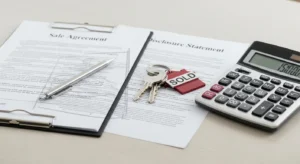
For any homebuyer, the most thrilling aspect of closing day is getting the key to your house. Ownership is now recorded in your name and the property is legally yours after you have signed all documents and paid the closing costs. You may now anticipate moving into your new home. This is an important milestone that indicates that you have attained your goal of buying a home.
Conclusion
Reaching the culmination of your home buying journey ends with closing day is when the big moment arrives where your hard work truly pays off. Managing the final steps of the home buying process is done with the utmost care, attention to detail is needed especially when it comes to signing documents and paying money. You are now in a position to close in a smooth, confident manner because of proper organization beforehand. An estate agent or other professional will be well positioned to assist if any problems occur during these procedures. A good strategy will alleviate tension and help create lasting positive feelings as the transition into homeownership is realized.
FAQs
What is the purpose of closing on a house?
The closing process includes transforming a seller into a buyer, and it marks the last step in selling a house. The seller’s money is received and everything else that is required to be done is accomplished. For both parties, this stage assures that legal, accounting, and operational obligations are all fulfilled.
What should I bring on closing day?
A buyer should bring a government-issued identification document, proof of homeowner’s insurance, a certified or cashier’s check that covers closing costs and down payment, and any extra documents required by the lender or the title company for opening day. By having everything ready, it mitigates the risk of delays.
What happens after I sign the documents at closing?
As soon as the signing is finished, the payment will be issued to the seller via the closing officer, and the sale is recorded with the relevant authorities at the local land registry office. After this, you can claim the keys to the property; now you own it! From there, you can move into the house, arrange for utility services, and start to enjoy the property.